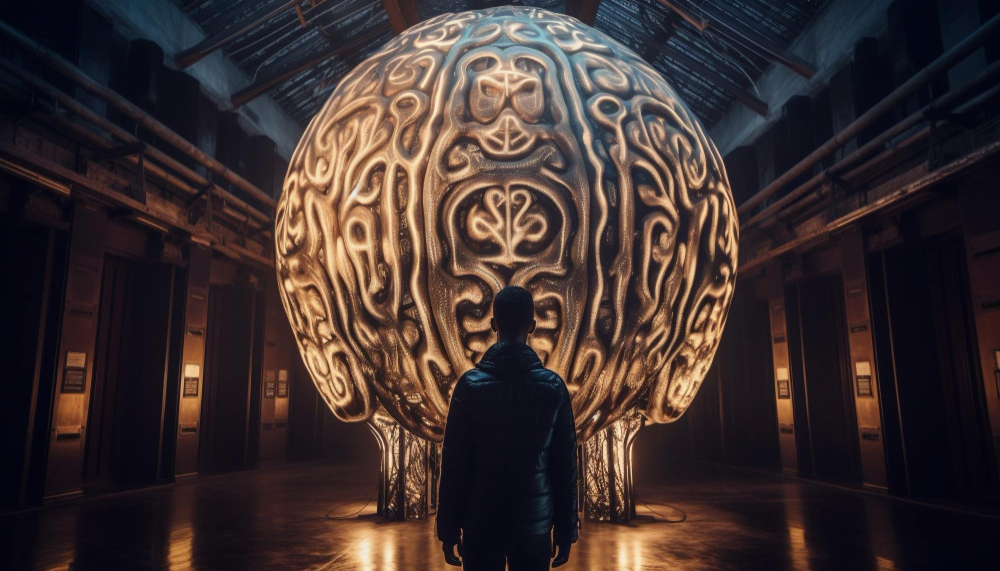
The human brain is often described as the most complex structure in the known universe, and for good reason. Its billions of neurons and trillions of connections form a living network that underpins every thought, memory, and impulse that defines our lives. Yet this extraordinary organ did not emerge fully formed—it is the product of a long and dynamic evolutionary history. Over hundreds of thousands of years, the human brain has changed in both size and structure, shaped by shifting environments, the demands of survival, and the unique pressures of social life. To understand the brain as it exists today, we have to look back to the story of how it developed, adapted, and transformed over millennia. One of the most striking features of human brain evolution is its increase in relative size. Early hominins such as Australopithecus, which lived between two and four million years ago, possessed brains that were not much larger than those of modern chimpanzees. Over time, however, the genus Homo began to display remarkable growth in brain volume. Homo erectus, for instance, had a significantly larger brain than its predecessors, allowing for improved tool use and more complex social behaviors. By the time our species, Homo sapiens, emerged roughly 300,000 years ago, brain size had expanded dramatically to accommodate advanced cognitive abilities such as symbolic thought, long-term planning, and language. But brain evolution was not solely about growing larger. Just as important were the refinements in structure and function that allowed for more efficient processing. The cerebral cortex, particularly the prefrontal regions, became increasingly specialized for decision-making, self-control, and abstract reasoning. These changes may have reflected the growing challenges that humans faced as they adapted to diverse environments and developed complex social networks. Navigating the intricacies of group living—cooperation, competition, and communication—placed enormous cognitive demands on individuals, and a better-equipped brain likely provided significant advantages for survival and reproduction. Another key factor in brain development involved adaptation to changing diets and climates. Around two million years ago, the mastery of fire and the ability to cook food made calories more accessible, fueling further brain expansion. Warmer climates and shifting ecological conditions also required humans to invent novel strategies for survival, from developing clothing and shelter to coordinating group hunts. The cumulative knowledge required to manage these changes was stored not just in individuals, but in shared cultural traditions, which further reinforced the role of the brain as a flexible and adaptive learning system. Interestingly, research indicates that brain size has slightly decreased over the past 20,000 years, even as human societies became more complex. Some scientists suggest that this reduction may be linked to greater reliance on cultural knowledge, technology, and social collaboration. In other words, as collective intelligence grew, the pressure on individual brains may have lessened. Rather than a sign of decline, this shift highlights how interconnectedness and group problem-solving became central to the human story. The human brain, then, is not just a biological organ but a record of our evolutionary journey. It tells the tale of challenges faced, environments adapted to, and social ties woven together over thousands of years. While we live in an age of rapid technological change, the fundamental story of how evolution shaped our minds serves as a reminder that our capacity for thought, creativity, and connection is deeply rooted in the survival struggles of our distant ancestors. As we continue to push the boundaries of science and society, the ancient story written in our brains still guides us—an ongoing testament to the power of adaptation, cooperation, and imagination. Character count: ~2,940